Plan your trip
Customs & etiquette
How to dress, behave during Ramadan, take photographs respectfully and stay within Kuwait’s laws.
Last reviewed: October 2026
Kuwaitis are known for their hospitality, and visitors who show respect for local customs are warmly welcomed. Kuwait is a Muslim country and its laws apply to everyone, including visitors.
Dress
- In public, both men and women should cover shoulders and knees; avoid tight or see-through clothing.
- Swimwear is fine at beaches, hotel pools and beach clubs, but cover up elsewhere.
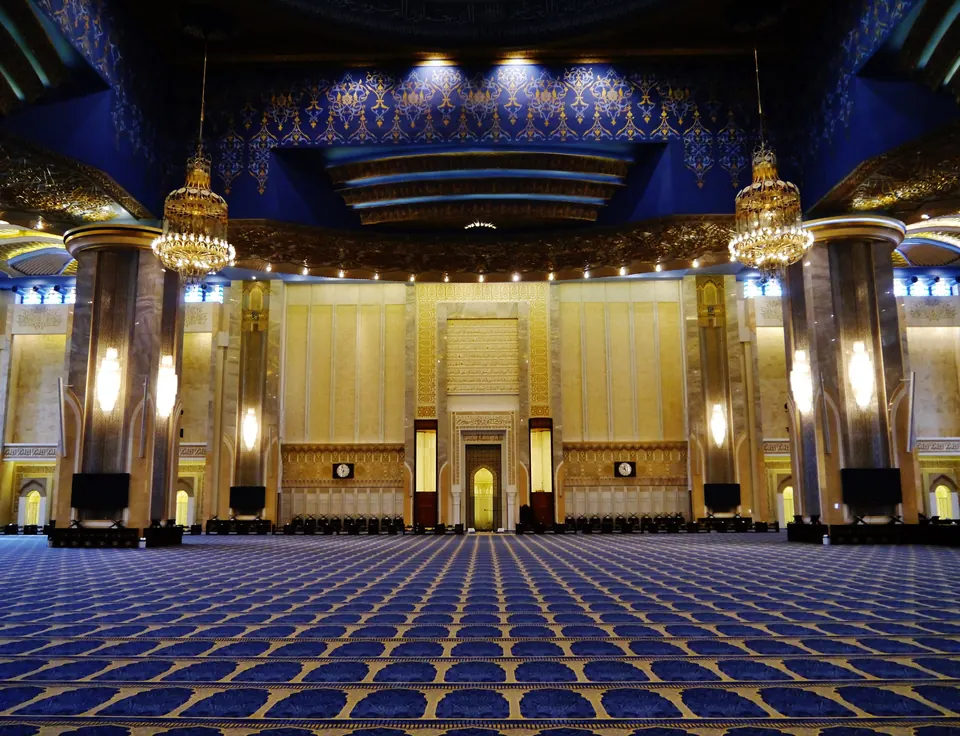
- To enter a mosque, women cover their hair and wear long sleeves and a long skirt or trousers; everyone removes their shoes.
Ramadan
- Eating, drinking (including water) and smoking in public during daylight hours are not allowed, for Muslims and non-Muslims alike.
- Many restaurants open only after sunset; working hours are shorter.
- If you are invited to an iftar, accept — it is one of the warmest experiences of a visit.
Greetings and behaviour
- “As-salamu alaykum” is the standard greeting; the reply is “wa alaykum as-salam”.
- Wait for a woman to offer her hand before shaking hands.
- Use your right hand to eat, give and receive.
- Public displays of affection, swearing and rude gestures can lead to fines or arrest.
- Friday midday is the main prayer time; keep noise down near mosques.
Photography
- Always ask before photographing people, and never photograph women without their permission.
- Do not photograph government buildings, palaces’ security areas, military or police sites, or oil installations.
- Flying a drone requires prior permission.
The law
- Alcohol is illegal to import, sell or drink. Drug offences carry very severe penalties.
- Criticising or insulting the Emir, religion or the State — including on social media — is a criminal offence.
- Carry your passport or ID; police may ask to see it.