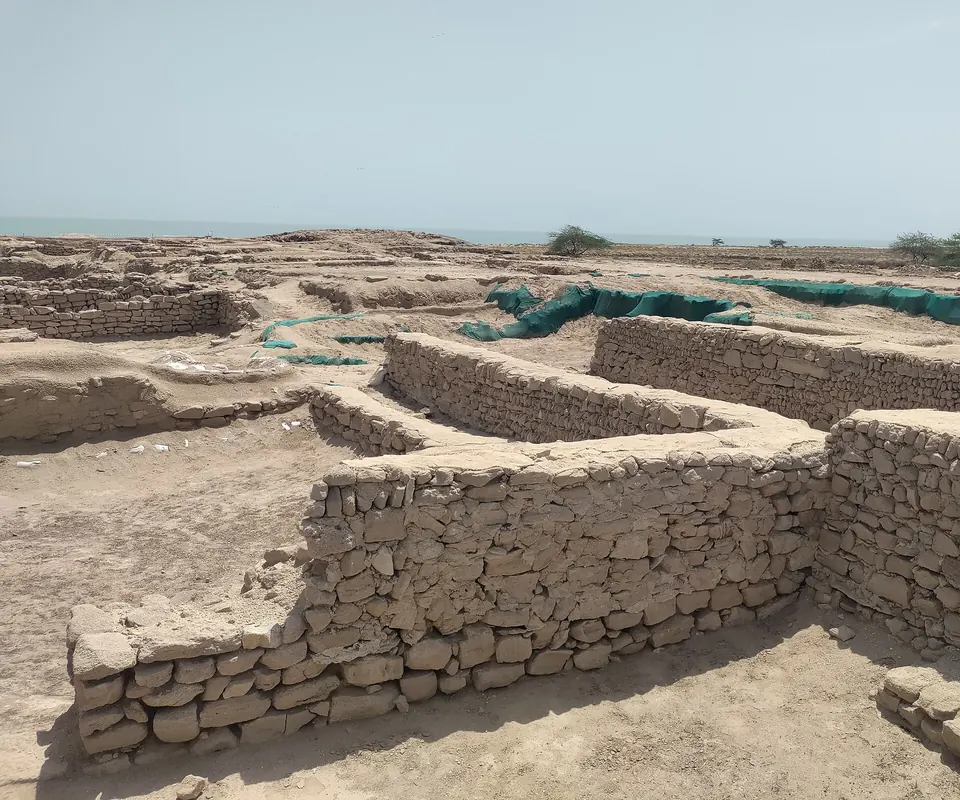
Twenty kilometres offshore, Failaka holds Bronze Age Dilmun settlements, a Hellenistic fortress and temple from the time it was called Ikaros, and the ruins of an early Christian village — all reached by ferry.
Failaka sits at the mouth of Kuwait Bay, about 50 km from the point where the Tigris and Euphrates reach the Gulf. Since the rise of the Sumerian city of Ur it has been a strategic stop on the trade routes of the Gulf, and archaeological missions from Denmark, France, Kuwait and other countries have uncovered layer after layer of its history.
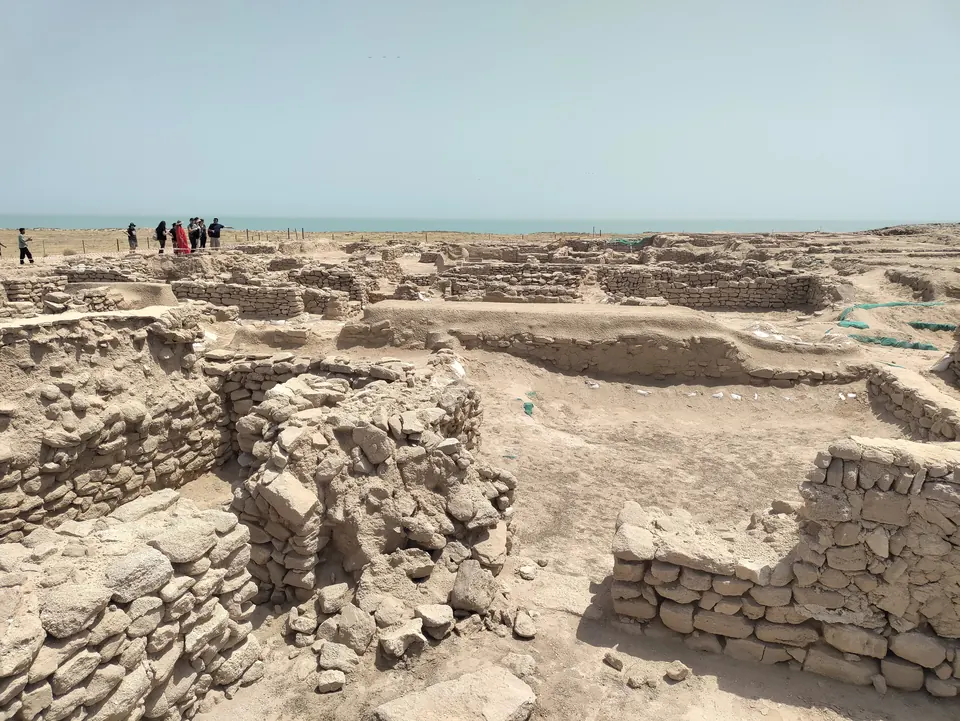
On the south-west coast lie Bronze Age settlements of the Dilmun civilisation and a Hellenistic fortress and temple from the period after Alexander the Great, when the island was known to the Greeks as Ikaros. Inland, at Al-Qusur, are the remains of an early Christian settlement with churches, dating to the centuries around the coming of Islam.
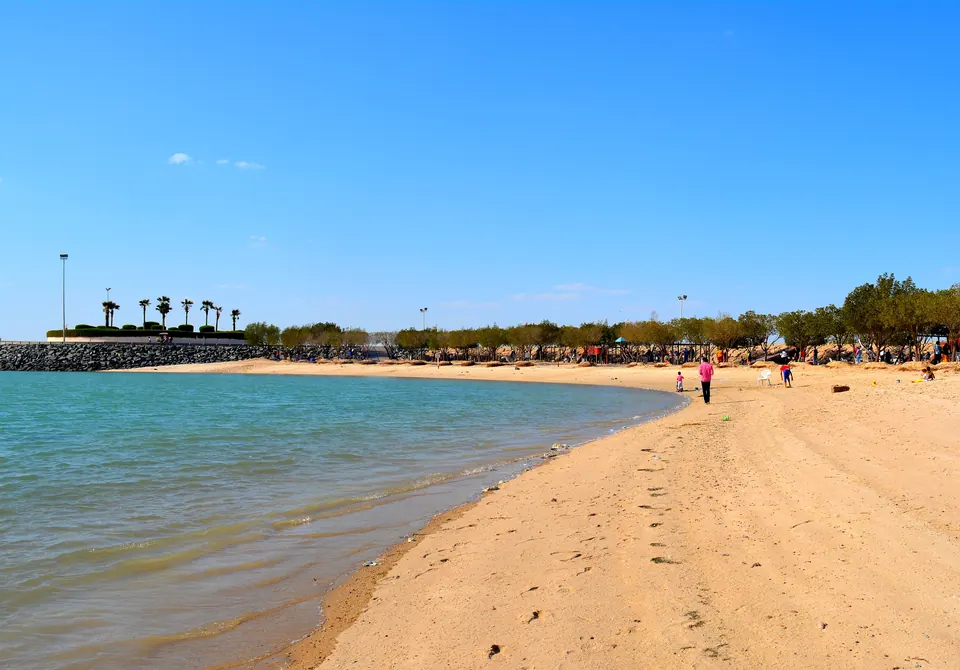
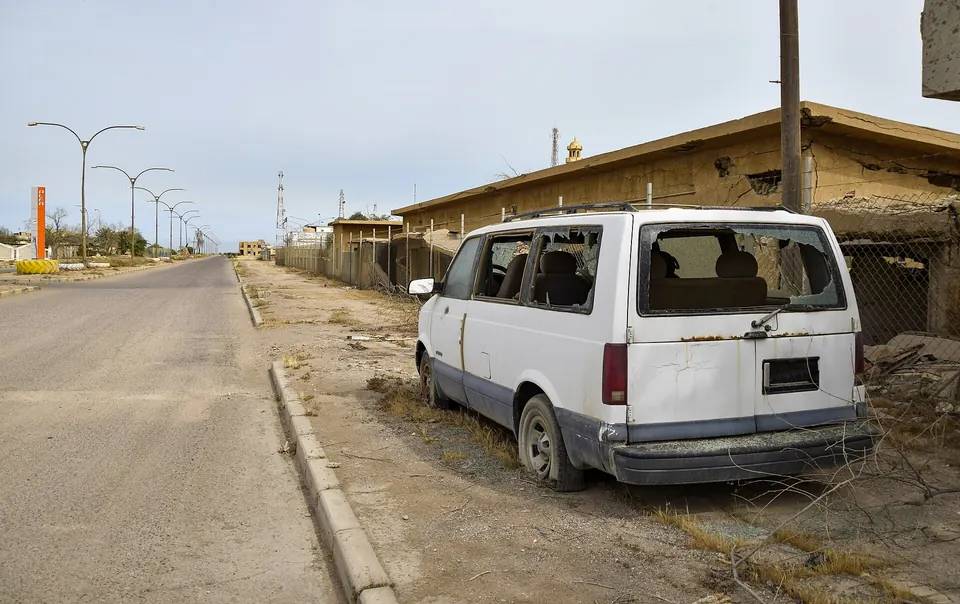
Failaka was inhabited without interruption until 1990. The island was occupied and badly damaged during the Gulf War and its villages were never fully resettled; today it is a place of open landscapes, ruins, quiet beaches and seasonal resorts.
Highlights
- The Hellenistic fortress and temple of Ikaros
- Bronze Age Dilmun settlements on the south-west coast
- The early Christian site of Al-Qusur
- Empty beaches and big skies
Good to know
- Ferries (car ferries and faster passenger boats) leave from Ras Al-Ardh in Salmiya. Schedules are limited and can change — confirm with the operators before you travel.
- Bring water, food, sun protection and a hat; services on the island are limited.
- Archaeological sites are fragile: do not climb on walls or take anything away.