 Landmarks
Kuwait City
Kuwait Towers
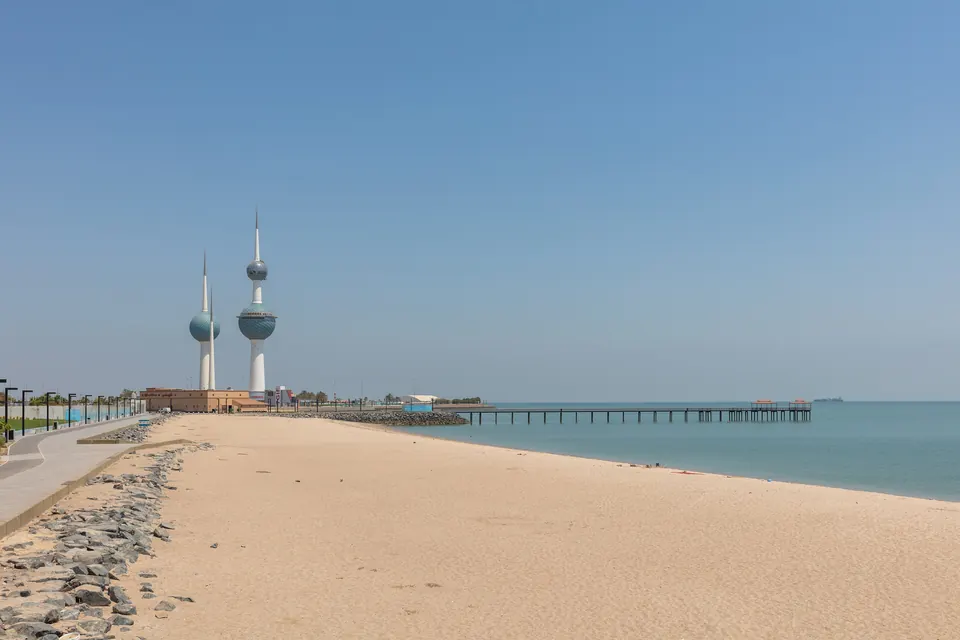
Three slender towers on a headland in the Gulf, studded with blue and green discs — the Kuwait Towers have been the emblem of the country since they opened in 1979.
DiscoverComing soon Our travel services — trip planning, tours and bookings — are not available yet. We are launching soon.
A private company — not an official government website. About us
A private company — not an official government website.
The capital
Towers, souqs and a waterfront of museums
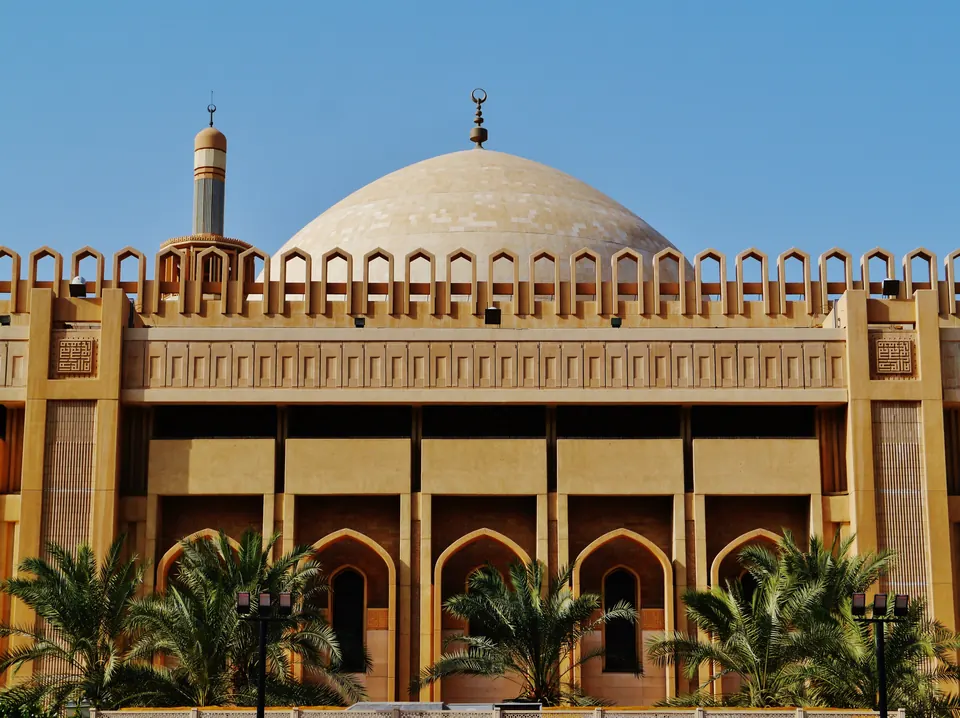
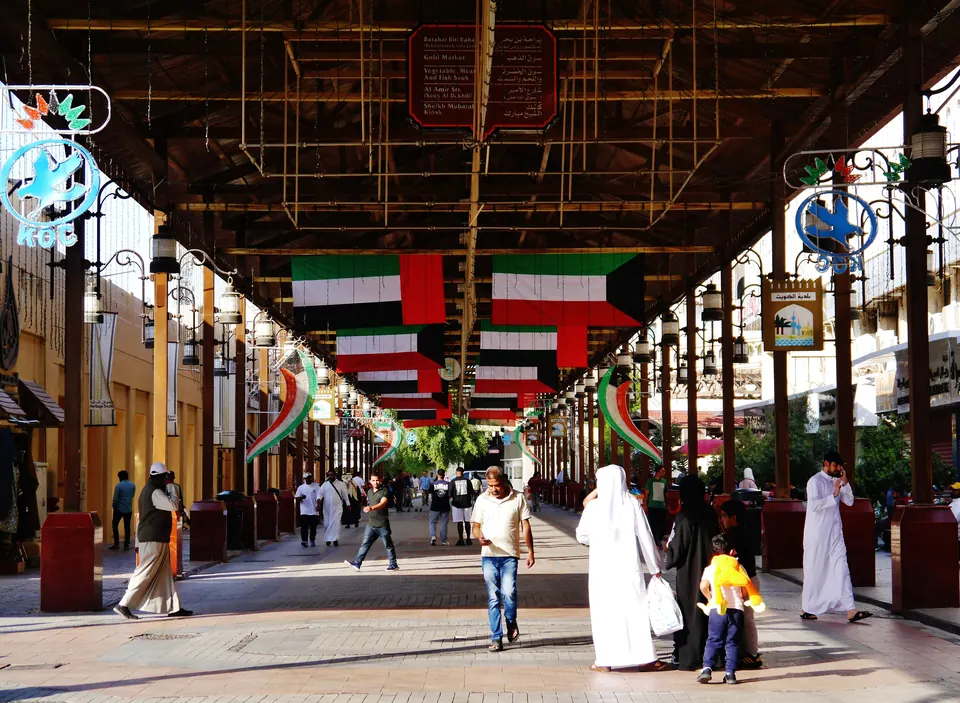
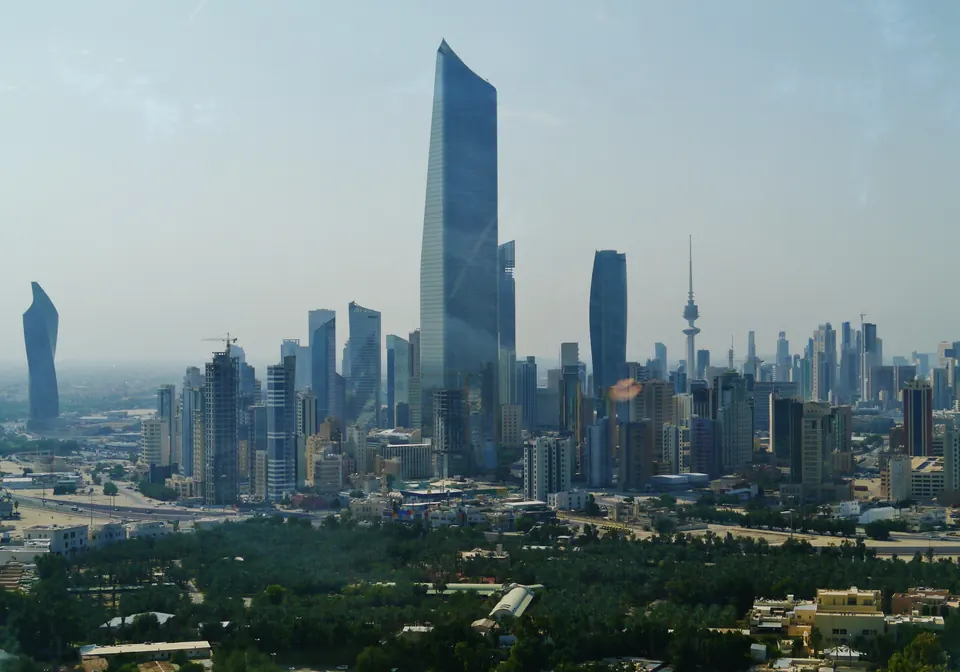
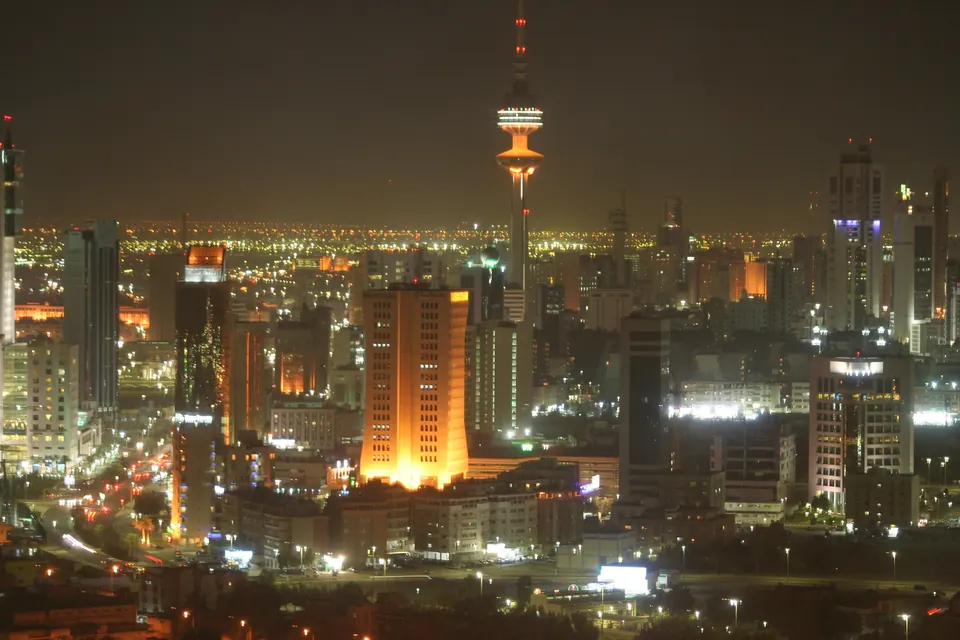
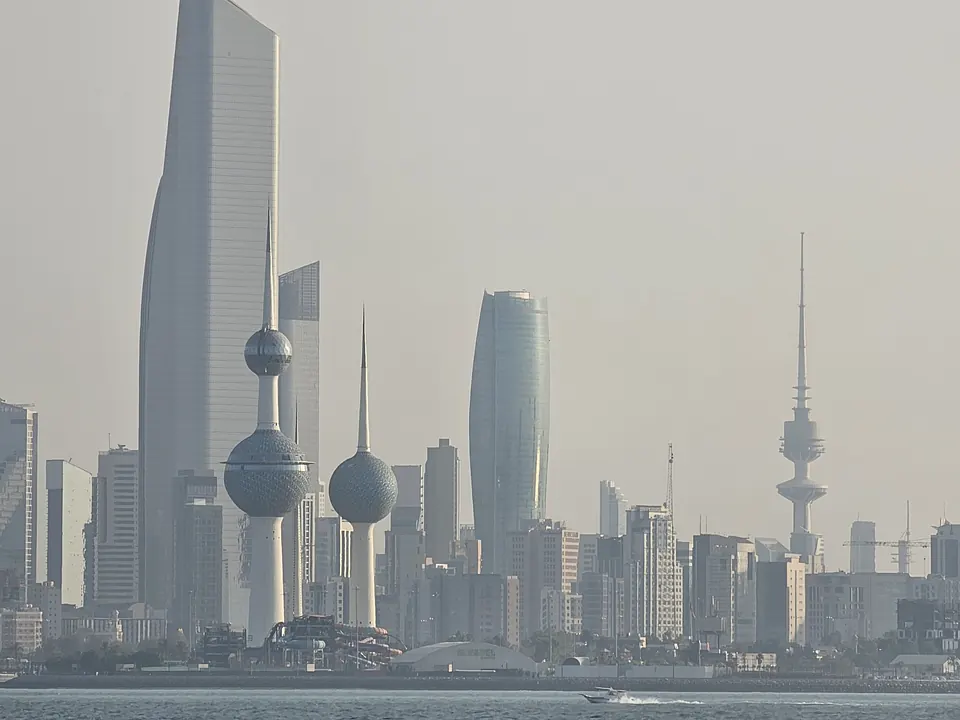
The capital curves around Kuwait Bay: the Kuwait Towers on their headland, the old souqs and the Grand Mosque at its heart, and a new cultural district of museums and an opera house along the Gulf.
Kuwait City grew from a small 18th-century port town of merchants, boat builders and pearl divers. Until the 1950s it was enclosed by a mud-brick wall; its line is still traced by the ring of Al Soor (Wall) streets and by the long ribbon of Al Shaheed Park.
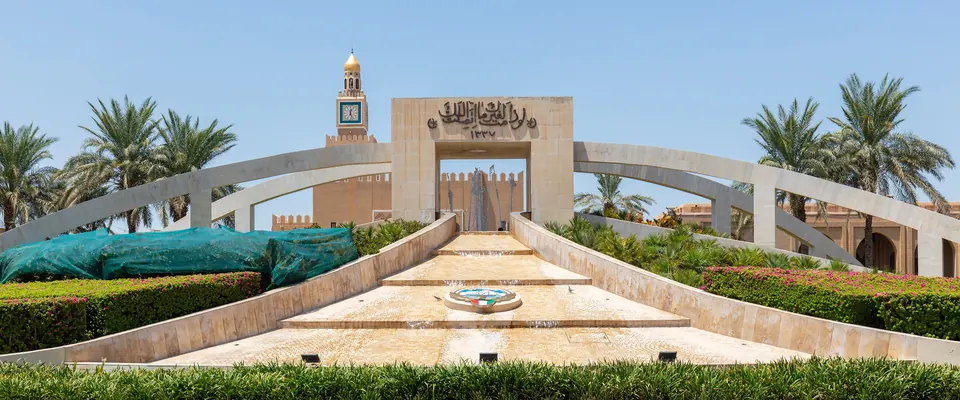
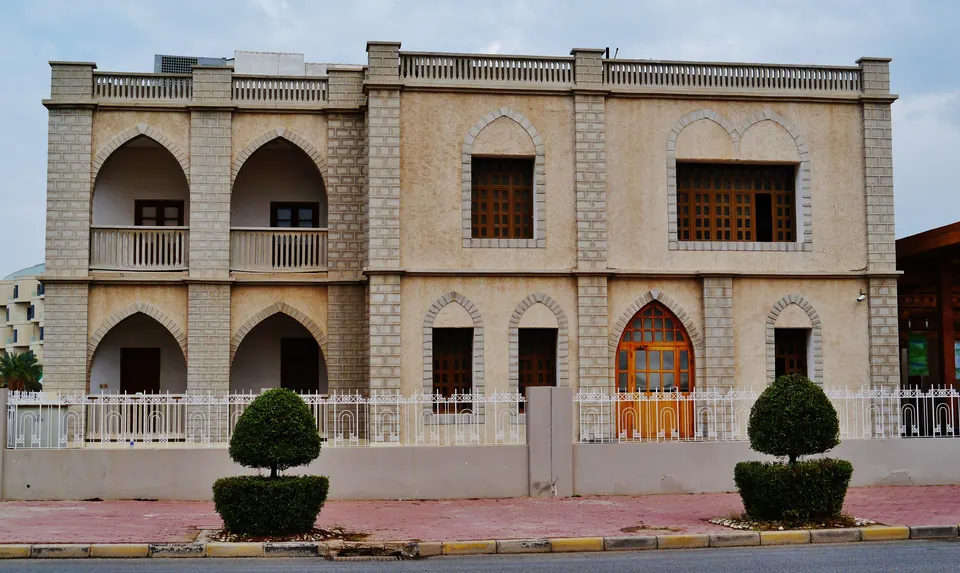
Inside that line lies the old centre: Souq Al-Mubarakiya, the Grand Mosque, the gold-roofed clock tower of Seif Palace and the modern skyline of Sharq, crowned by the twisting Al Hamra Tower. Arabian Gulf Street follows the shore past the National Museum, Sadu House and the Dar al-Athar al-Islamiyyah collection to the Kuwait Towers.
Kuwait is a city built around the car, so plan to combine short walks in each district with taxis or ride-hailing between them. The best light — and the most pleasant temperatures for walking the corniche — come in the hours before sunset from October to April.
Kuwait City